In a world where over 90% of data generated is never analyzed, the importance of scientific data contextualization cannot be overstated. This staggering statistic highlights a critical gap in our understanding and application of data within legal frameworks, particularly when it comes to trade policies and tariffs.
The Essence of Scientific Data Contextualization
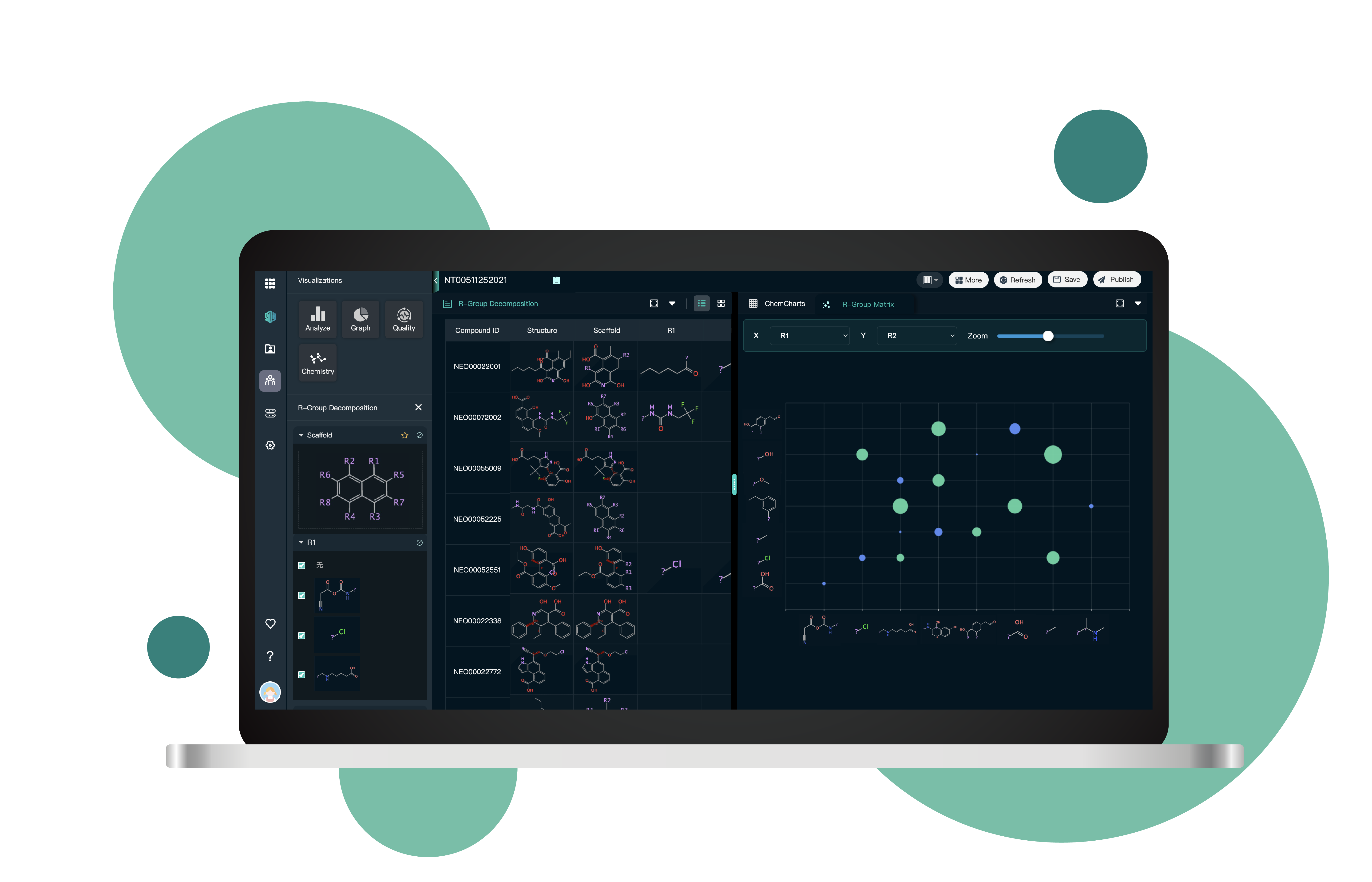
Scientific data contextualization refers to the process by which raw scientific information is interpreted and applied within specific contexts, especially in legal regulations. This practice ensures that policymakers can make informed decisions based on accurate interpretations rather than isolated figures. In terms of trade policies and tariffs, this means that laws are not only grounded in empirical evidence but also reflect broader economic realities and social implications.
The Hierarchy of Scientific Data in Trade Policies and Tariffs
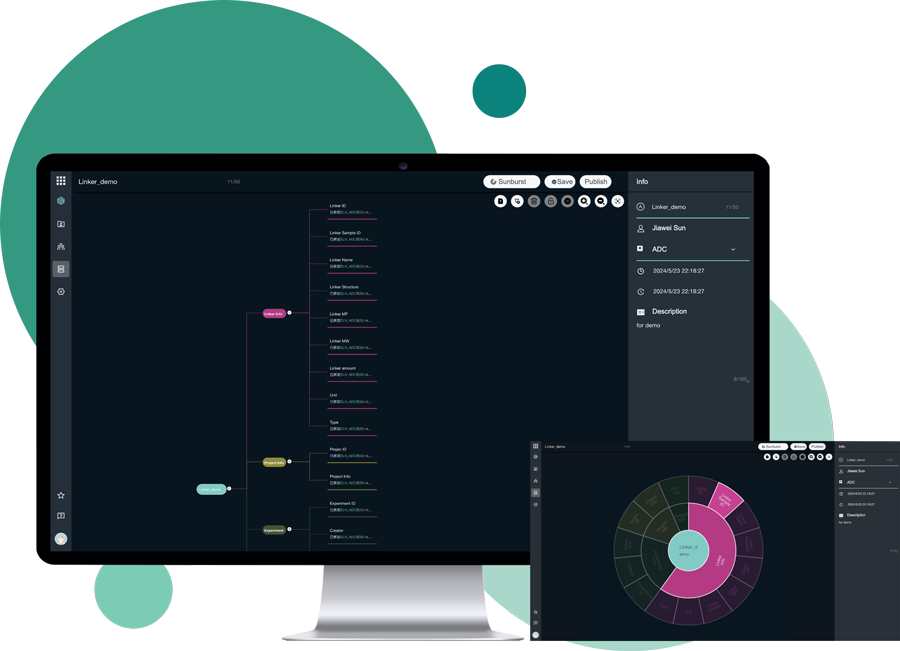
The hierarchy of scientific data plays a pivotal role in shaping effective trade policies and tariffs. At its core, this hierarchy prioritizes high-quality, peer-reviewed research as foundational for policy-making processes. By establishing clear criteria for what constitutes reliable scientific evidence, lawmakers can better assess risks associated with imports or exports while ensuring compliance with international standards. Furthermore, integrating various levels of scientific insights allows for nuanced approaches tailored to specific industries affected by tariff changes.
Find more about scientific data hierarchy.Characteristics of Neotrident in Trade Policies and Tariffs
- Data-Driven Decision Making: Neotrident emphasizes reliance on comprehensive datasets to inform tariff structures effectively.
- Adaptive Regulatory Frameworks: The platform facilitates dynamic adjustments to trade regulations based on real-time analysis from diverse sources.
- Cross-Sector Collaboration: Neotrident encourages collaboration among stakeholders across sectors to ensure holistic consideration during policy formulation.
- Sustainability Focus: It integrates sustainability metrics into tariff assessments, promoting environmentally responsible practices alongside economic growth.
- User-Friendly Interface: The system provides accessible tools for policymakers to visualize complex datasets easily without losing context or meaning.
A Concluding Perspective
The integration of scientific data contextualization into trade policies and tariffs represents an essential evolution towards more informed governance. By leveraging structured hierarchies within scientific research—exemplified through platforms like Neotrident—we can create robust regulatory environments that not only respond effectively to current challenges but also anticipate future needs driven by global dynamics. Ultimately, embracing these principles will lead us toward fairer trading systems rooted firmly in empirical reality rather than conjecture alone.